
Ageing and structure · Burford
Facial Volume Loss in Burford, Oxfordshire
Facial volume loss is not simply an empty space to fill. Bone, fat compartments, ligaments, skin and neighbouring areas all influence how support changes with time.

START WITH THE PATTERN
Volume loss is a whole-face structural question.
A hollow can be visible in one place while the reason the face looks different involves several layers. Replacing volume without understanding proportion can create heaviness rather than restoration.
Vaiva assesses facial proportions, skeletal support, fat distribution, skin quality, movement and previous filler before discussing whether structural support, collagen stimulation, skin treatment, waiting or no treatment is appropriate.
Because the most obvious hollow may not be the only structural change. Treating one area in isolation can distort balance or add weight where the face does not need it.
COMMON PATTERNS
What this concern can look like.
These descriptions help organise what you may be noticing. They are not a substitute for assessment, and more than one pattern can be present at the same time.
Mid-face flattening
Cheek and mid-face support can change, affecting neighbouring contours.
Temple or lateral hollowing
Volume change can become more visible at the temples or upper face.
Perioral support change
Changes around the mouth can reflect both volume distribution and movement.
Whole-face deflation
Weight change, ageing and individual anatomy can produce a more general loss of soft-tissue support.
THE FACE FOR SOUL ASSESSMENT
We assess what is driving the change.
The concern name is only the starting point. Vaiva looks at the wider pattern before deciding whether treatment, skincare, referral, waiting or no treatment is appropriate.
Whole-face · skin-first · prescriber-led
How the upper, mid and lower face relate rather than viewing one hollow alone.
Underlying skeletal shape and age-related structural change.
Where facial fat has reduced, descended or remained relatively full.
Whether laxity or skin thinning is amplifying the appearance of volume loss.
How expression changes contours dynamically.
Product location, amount, longevity and whether prior treatment is affecting current proportions.
Map the whole face → identify where support is actually missing → restore selectively if needed → avoid unnecessary weight
STRUCTURE BEFORE SYRINGES
Structure before syringes
The decision starts with anatomy and proportion, not with how many millilitres might be used.
RESTRAINT PROTECTS NATURAL RESULTS
Restraint protects natural results
Sometimes the better decision is less filler, a collagen-stimulating approach, skin treatment or no additional volume.
WHAT WE MAY DISCUSS
Treatment follows assessment.
These are possible routes, not a menu you need to choose from before you arrive. Suitability, sequencing and whether treatment is needed are decided individually.
Facial balancing with filler
Selected areas may be supported with dermal filler when structural replacement is appropriate.
Sculptra
May be discussed as a collagen-stimulating option for selected patterns of facial deflation or skin quality change.
Radiesse
May be considered where structural support or biostimulatory goals fit the assessment.
Skin-quality treatment
Microneedling, regenerative treatment or skincare may complement structure, but they do not perform the same job as volume replacement.
NOT SURE WHICH OPTION FITS?
You are not expected to self-diagnose.
Bring the change you have noticed, your questions and any relevant treatment history. The consultation is where the options are narrowed down.
Book a consultation →CLINICAL DECISION CONTEXT
The decision depends on what is driving the change.
More product does not automatically create a younger or more natural face. The useful variables are where support has changed, where fullness remains, how the face moves and whether previous treatment has already altered balance.
The purpose of assessment is not to find the most intensive option. It is to find the most proportionate one.
WHAT TO EXPECT
A staged plan, not a race.
Some concerns respond to a change in home care. Others need time for tissue remodelling or a sequence of treatments. Review is part of the plan, not an afterthought.
Individual response, recovery and treatment intervals vary.
ASSESS
Assess
Map proportions, support, previous treatment and skin quality across the face.
PLAN
Plan
Decide whether selective volume, biostimulation, skin treatment or no treatment is indicated.
TREAT
Treat
Use a measured amount in the areas that genuinely need support.
REVIEW
Review
Allow swelling and tissue response to settle before deciding whether anything more is needed.
WHAT AFFECTS PROGRESS
Results are shaped by biology as well as treatment choice.
THE SKIN APOTHECARY
Home care can support the plan.
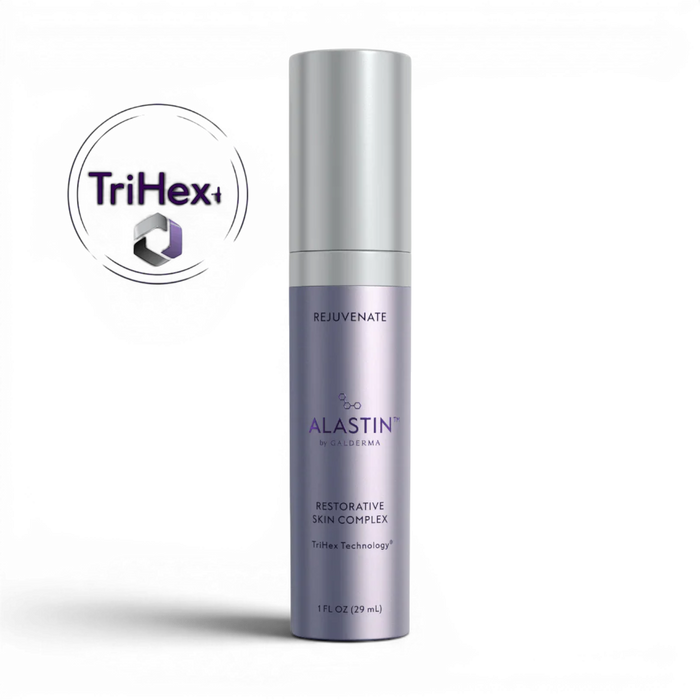
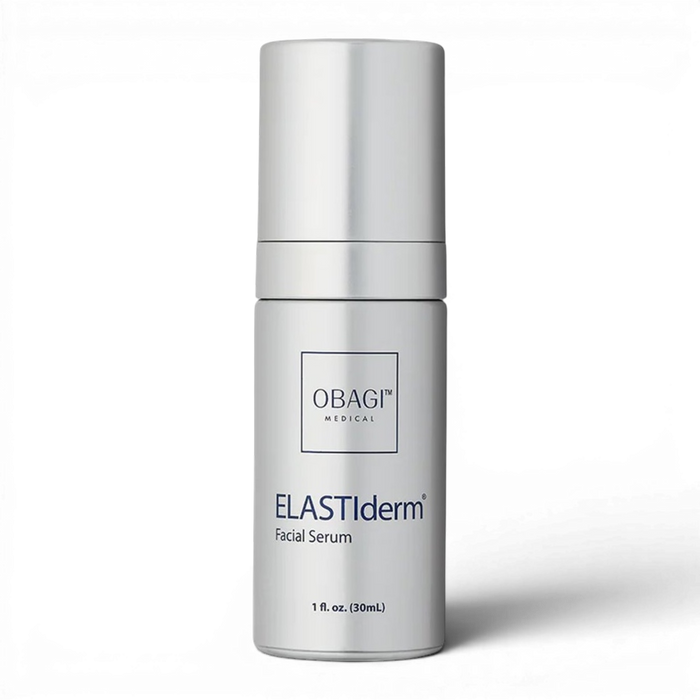
These products may be relevant to the concern, but suitability still depends on your skin, current routine and treatment plan. Prescription skincare is only considered through an appropriate clinical pathway.
QUESTIONS PATIENTS ASK
Frequently asked questions.
Does facial volume loss always mean I need filler?
No. Depending on the pattern, the discussion may include collagen-stimulating treatment, skin-quality work, waiting or no treatment.
Can too much filler make the face look heavy?
Yes. Excessive or poorly placed volume can alter proportions and create heaviness, which is why whole-face assessment and restraint matter.
Can skincare replace lost facial volume?
No. Skincare can support skin quality, but it does not replace deeper structural volume.
What if I already have filler?
Bring any information you have about previous products and dates. Existing filler can change what is appropriate to do next.
YOUR FIRST STEP
Bring the concern. We will help with the decision.
You do not need to arrive knowing which treatment you need. Start with an assessment at Face for Soul in Burford.