Consult & assess
Medical history, previous injectables, proportions, tissue quality and the change you have noticed are reviewed.

DERMAL FILLERS · BURFORD, OXFORDSHIRE
Conservative structural treatment focused on proportion, support and keeping the face recognisably yours.
Dermal filler can add or restore support in selected areas, but an area is not a diagnosis. At Face for Soul, treatment begins with the whole face: bone, fat, soft tissue, movement, skin quality and previous treatment are considered before deciding whether filler is needed at all.

01 · THE TREATMENT
The objective is structural logic, not more volume.
Ageing and facial proportion involve bone, fat compartments, ligaments, skin and movement. Filler can be useful when a selected area needs support or contour, but the same visible concern can have a different anatomical cause in another person.
At Face for Soul, cheek, chin, jaw or lip filler are treatment locations rather than automatic treatment plans. The decision is whether adding material improves the relationship between features without creating unnecessary heaviness, projection or uniformity.
Structure, volume pattern, proportion, movement, skin quality and previous treatment are reviewed together.
The visible concern is separated from assumptions about which area should be filled.
Where filler is appropriate, product and placement are selected for the tissue and structural objective.
The face is reviewed as a whole before deciding whether any further treatment is justified.
02 · SUITABILITY
A fuller syringe is not a fuller diagnosis. Sometimes the concern is better explained by tissue descent, skin laxity, movement, previous overfilling, skeletal anatomy or simply normal facial variation.
01 MAY BE CONSIDERED
02 ANOTHER ROUTE MAY FIT BETTER
VAIVA'S ASSESSMENT
The consultation maps the concern across the whole face so that treatment is not driven by one requested area in isolation.
Burford · West Oxfordshire · Cotswolds
Bone structure and projection are considered before adding soft-tissue volume.
Fat compartments, hollowing, heaviness and previous filler are mapped rather than treating every depression as loss.
Dynamic expression is considered so static filler is not expected to solve a movement-led concern.
Skin quality, laxity and tissue thickness influence whether filler will sit naturally and whether another mechanism is preferable.
Existing filler, migration, dissolving history and any previous complications can materially change the plan.
The aim is a coherent face, not maximal correction of each feature considered separately.
dermal filler / dissolve & reassess / Sculptra / Radiesse / skin treatment / wait / no treatment
CLINICAL RESTRAINT
03 · APPOINTMENT
Product, amount, depth and placement are chosen according to anatomy and the structural objective. The consultation may also conclude that no filler is the better outcome.
Medical history, previous injectables, proportions, tissue quality and the change you have noticed are reviewed.
The relationship between cheeks, temples, chin, jaw, lips and the wider face is considered before selecting a treatment site.
The filler characteristics and injection plane are chosen for the tissue and treatment objective rather than by brand familiarity alone.
Small, deliberate corrections are favoured over chasing perfect symmetry or using volume to force a dramatic change.
Swelling must settle before the result is judged and before deciding whether any additional treatment makes sense.
04 · RESULTS & RECOVERY
Support or contour change may be visible immediately, alongside swelling, redness or tenderness.
Bruising and swelling reduce. Temporary asymmetry can reflect uneven swelling rather than the final result.
The relationship between the treated area and the whole face becomes easier to judge once swelling has resolved.
Further treatment should only be considered if the original structural objective remains clear.
The aim may be restored support, improved proportion or a subtle contour change. Hyaluronic-acid fillers have evidence for selected facial volume correction, but the evidence base varies by product and treatment area. Results from cheek or mid-face studies should not be generalised to every facial indication, and effect and durability vary with anatomy, tissue mobility and the material used.
There is no useful universal millilitre target. The amount should follow the anatomy and treatment objective, and more product is not automatically a better or more durable result.
Swelling, bruising, tenderness, asymmetry, nodules, infection and delayed inflammatory reactions can occur. Rare vascular occlusion can compromise blood supply to the skin. Intravascular filler affecting the retinal or ophthalmic circulation can cause visual loss. These are uncommon but potentially serious complications, which is why anatomical knowledge, conservative technique and prompt recognition matter.
05 · BEFORE & AFTERCARE
Aftercare is based on the treatment area, product and injection technique. Contact the clinic promptly if pain, colour change, visual symptoms or another unexpected reaction occurs.
Share medicines, supplements, allergies, dental work, illness, previous filler and any history of injectable complications.
Avoid unnecessary pressure or manipulation unless specifically advised, and allow swelling and bruising time to reduce.
Severe or increasing pain, unusual blanching or dusky colour, or any visual symptom requires urgent clinical assessment.
SKIN APOTHECARY
Products are shown only when available online. Post-injection skincare can support comfort and barrier care but does not prevent or treat vascular complications.
Explore medical skincare →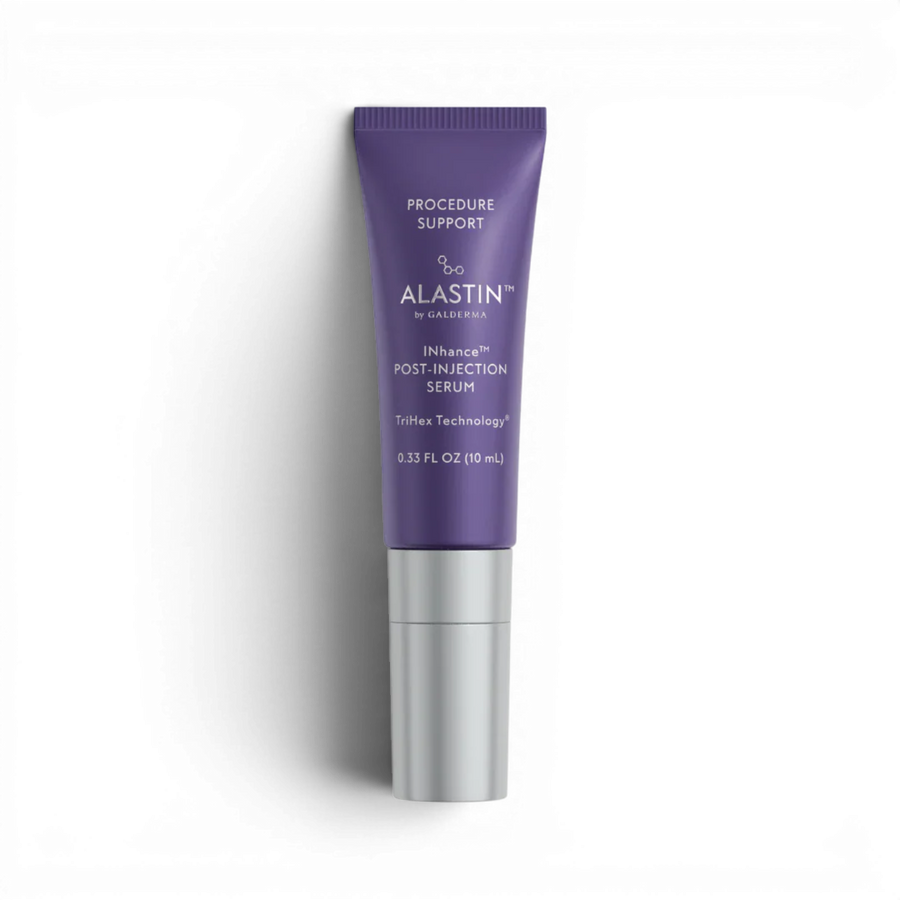
A post-injection topical option that may be considered for comfort where suitable.
View product →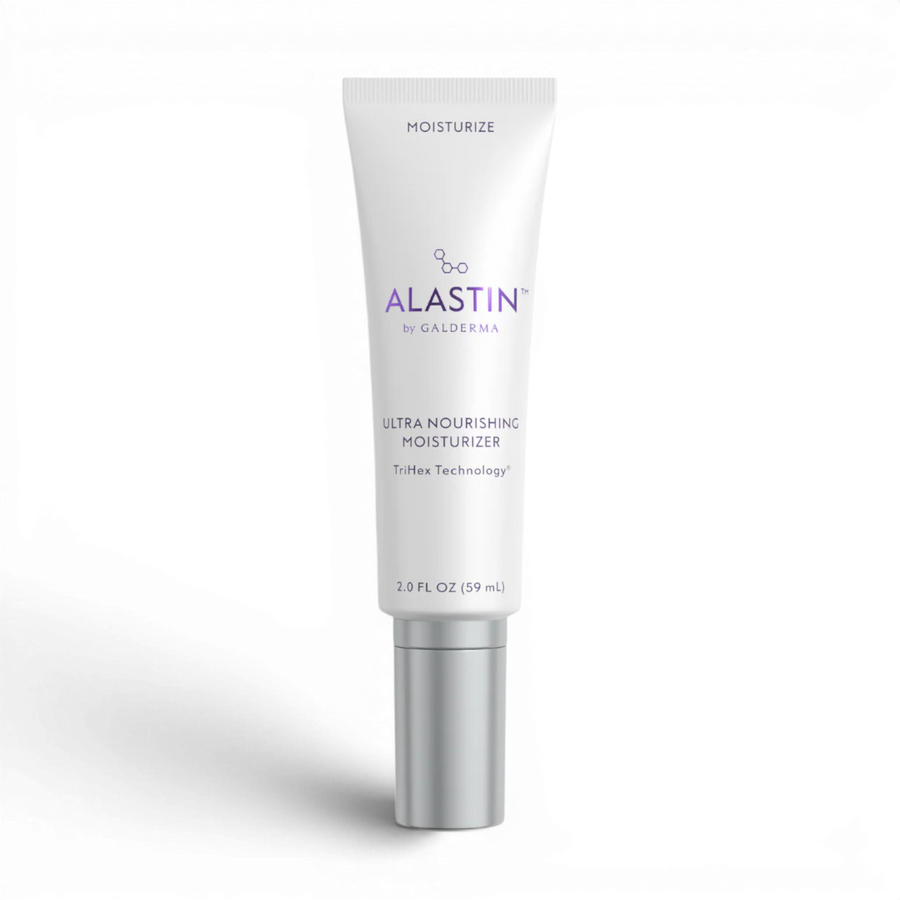
Barrier and moisture support where the skin needs a simple routine around treatment.
View product →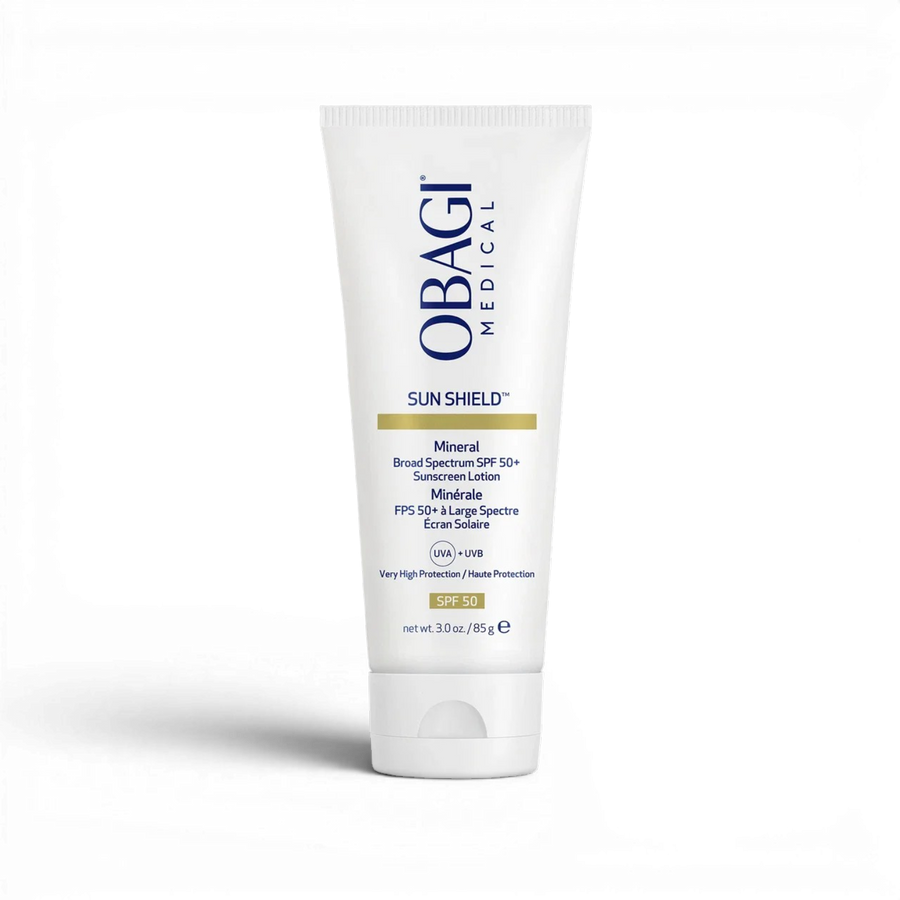
Daily mineral SPF support for exposed skin.
View product →NOT SURE WHICH AREA NEEDS FILLER?
Bring the change you have noticed. The assessment comes before the treatment location.
06 · CHOOSING THE MECHANISM
The same visible ageing change can call for a different mechanism depending on anatomy, tissue quality, timing and previous treatment.
07 · CLINICAL EVIDENCE
The evidence base varies by filler product and facial area. A 2024 network meta-analysis of six randomised trials involving 579 patients found evidence that several hyaluronic-acid fillers can improve cheek volume, but those results should not be generalised to every facial indication and comparative data between products remain limited. A systematic review and meta-analysis of 19 randomised trials found that most reported adverse events were mild and transient, while rare severe complications remain clinically important. A 2025 systematic review and meta-analysis of vascular-occlusion reports identified higher-risk facial regions including the glabella, nose and nasolabial folds, reinforcing the importance of anatomy and technique. Hyaluronidase is widely used for selected complications involving hyaluronic-acid filler, although dosing evidence and protocols remain imperfect. The practical conclusion is that filler can be effective when well selected, but should never be treated as a low-consequence beauty product.
08 · LONGER-TERM PLANNING
Filler can persist for a variable period depending on product, tissue and area. Review should ask whether more treatment is still needed, whether existing filler should simply be observed, or whether another mechanism now makes more sense.
09 · FAQs
Not necessarily. Those are treatment locations rather than diagnoses. The whole face is assessed first to decide whether filler is needed and, if so, where the smallest useful intervention sits.
At Face for Soul, facial balancing means considering proportion, support and the relationship between features. It does not mean making the face perfectly symmetrical or following a fixed ratio or template.
Hyaluronic-acid filler can often be reduced or dissolved with hyaluronidase. That does not mean every filler is reversible, nor does reversibility remove the risks of injection. The response to hyaluronidase varies with the product, amount, location and clinical situation, so dissolving should be treated as a medical intervention rather than a guaranteed reset. The filler material and clinical situation need to be identified first.
Existing product can sometimes sit outside the intended area or contribute to heaviness or contour change. Assessment should distinguish migration from swelling, anatomy and simple overfilling before deciding whether dissolving is appropriate.
Previous product, amount, location and treatment history matter. Sometimes the safest plan is observation, imaging or dissolving and reassessment rather than adding more filler. If there is pain, inflammation, persistent swelling, asymmetry or another concern after previous treatment, an Aesthetic Complications Assessment may be more appropriate than booking more filler.
Vascular occlusion is rare but can interrupt blood supply to the skin and, in exceptional cases, the eye. Severe or increasing pain, unusual colour change or any visual symptom after treatment requires urgent assessment.
Duration varies by product, treatment area, tissue mobility and individual biology. Published evidence shows that some HA fillers can persist longer than traditional marketing timelines suggest, so treatment should be based on reassessment rather than automatic top-ups.
Face for Soul is based in Burford, Oxfordshire, welcoming patients from West Oxfordshire and across the Cotswolds. Treatment follows whole-face consultation and suitability assessment.