
Ageing
Crepey Skin
Excessive sweating
Pigmentation
Eye smile lines
Sagging Jaw Line
Acne
Rosacea
Hair Loss
Weight Gain
Thin Lips
Home
Shop
Blog
About
Treatments
Get in Touch
Concerns
Book
Under eye shadows
Male Hair Loss
Ageing Hands
Stretch Marks
Cellulite
Neck Lines
Nose to mouth lines
Mouth to chin lines
Facial Asymmetry
Frown Lines
Menopausal Skin
PRX-T33 vs PRX Plus
Collagen Stimulation Without Peeling in the Cotswolds – PRX-T33 vs PRX Plus
At Face for Soul in Burford, serving patients across Oxfordshire, Cheltenham and the wider Cotswolds, PRX is probably one of the most misunderstood treatments I offer.
People either think it’s:
• “just a peel”
• something harsh
• or something that will make them shed for a week
It’s none of those things.
Let’s simplify this properly.
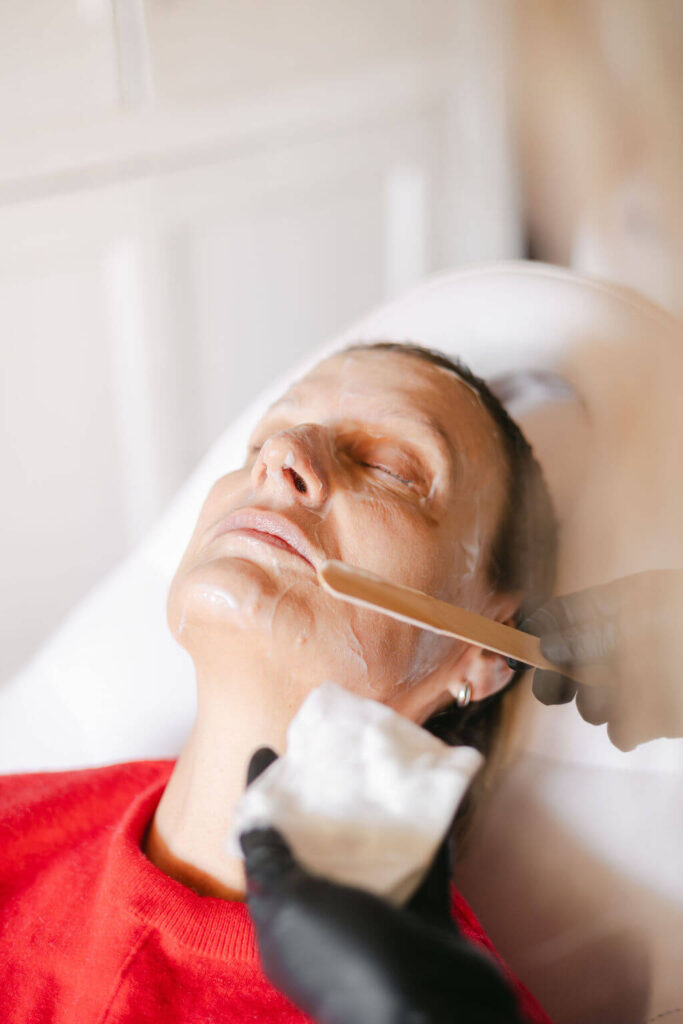
So what actually is PRX-T33?
PRX-T33 is not a traditional peel.
Yes, it contains 33 percent TCA.
But it also contains hydrogen peroxide and kojic acid.
That combination changes everything.
In a classic chemical peel, TCA creates visible injury to the top layers of skin. You peel. You flake. You hide at home.
PRX works differently.
The hydrogen peroxide modifies how the TCA behaves. Instead of aggressively removing the epidermis, it allows the solution to stimulate the deeper dermal layer without destroying the surface.
That means:
• Most patients do not visibly peel
• The skin barrier remains largely intact
• We stimulate fibroblasts instead of stripping skin
It’s stimulation, not trauma.
There is published dermatology literature discussing TCA-based dermal stimulation and biorevitalisation concepts, which you can explore via PubMed if you search for trichloroacetic acid dermal stimulation.
But in clinic, what matters is how it behaves on real skin.
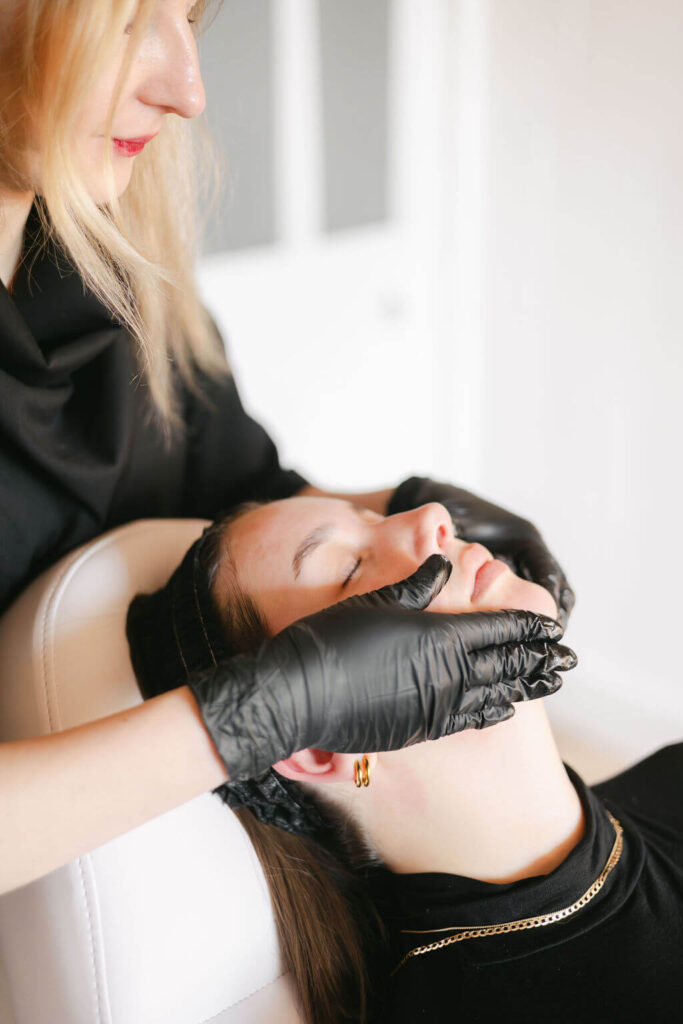
And what is PRX Plus?
PRX Plus is designed for more delicate situations.
I reach for it when I’m treating:
• Pigment-prone skin
• Thinner, reactive skin
• More sensitive Fitzpatrick types
• Early rosacea patterns
It gives us similar collagen signalling but with slightly improved tolerability.
It’s not about “stronger” or “weaker.”
It’s about suitability.
The question patients should really be asking
It’s not:
“Is PRX better than a peel?”
The better question is:
“Is my skin strong enough for injury?”
Because most patients I see in the Cotswolds are not looking for dramatic damage. They’re looking for:
• Brighter skin
• Smoother texture
• More resilience
• Something they can fit into a normal life
They don’t want to disappear for 10 days.
PRX fits patients who value:
• Control
• Stability
• Low downtime
• Gradual, believable results
It’s not flashy.
It’s intelligent.
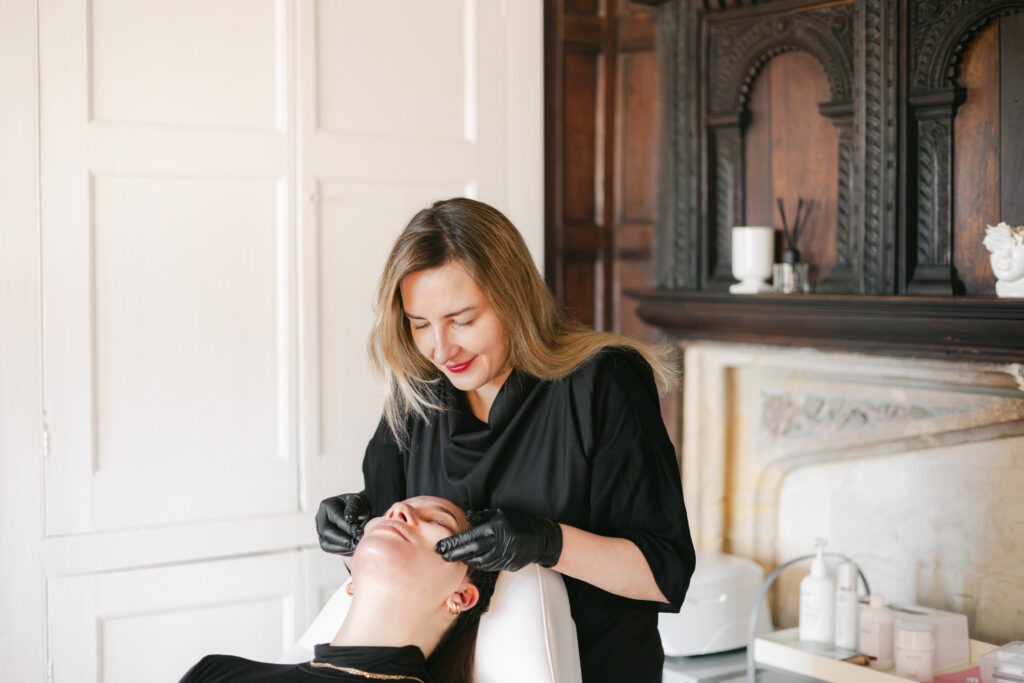
When PRX works beautifully
In my clinic, PRX performs particularly well for:
• Early laxity
• Dull, tired skin
• Acne-prone skin
• Rosacea-prone skin
• Menopause-related thinning
It’s especially powerful when layered correctly and spaced properly.
More layers does not automatically mean better results.
Timing and skin preparation matter more.
When I would not choose PRX
This is important.
PRX is not magic.
I would not rely on PRX alone for:
• Deep acne scarring
• Severe sun damage
• Advanced dermal laxity
• Significant etched wrinkles
In those cases, we often need layered regenerative strategies or energy-based treatments.
Part of ethical practice is knowing when something is good — and when it isn’t enough.
Why PRX suits many local patients
Many of my patients in Burford, Cheltenham and surrounding Oxfordshire villages are professionals, business owners, parents.
They want visible improvement without:
• dramatic peeling
• social downtime
• unpredictable healing
PRX sits in that sweet spot.
It strengthens skin over time rather than shocking it into submission.
Common Questions I Hear in Clinic
Will I peel?
Most patients do not visibly peel. You may feel tightness or mild dryness for a few days.
Is it painful?
You feel warmth and tingling. It’s tolerable. We control the layers.
How many sessions do I need?
Usually 3–6 depending on your skin goals and condition.
Is it safe for rosacea?
When chosen correctly and layered carefully, yes.
Come and visit us at our Cotswold clinic for an in personal consultation where we can advise the best treatment for you.
